Call Us Toll Free
/
/
Custom Fast Food Boxes

Custom Fast Food Boxes

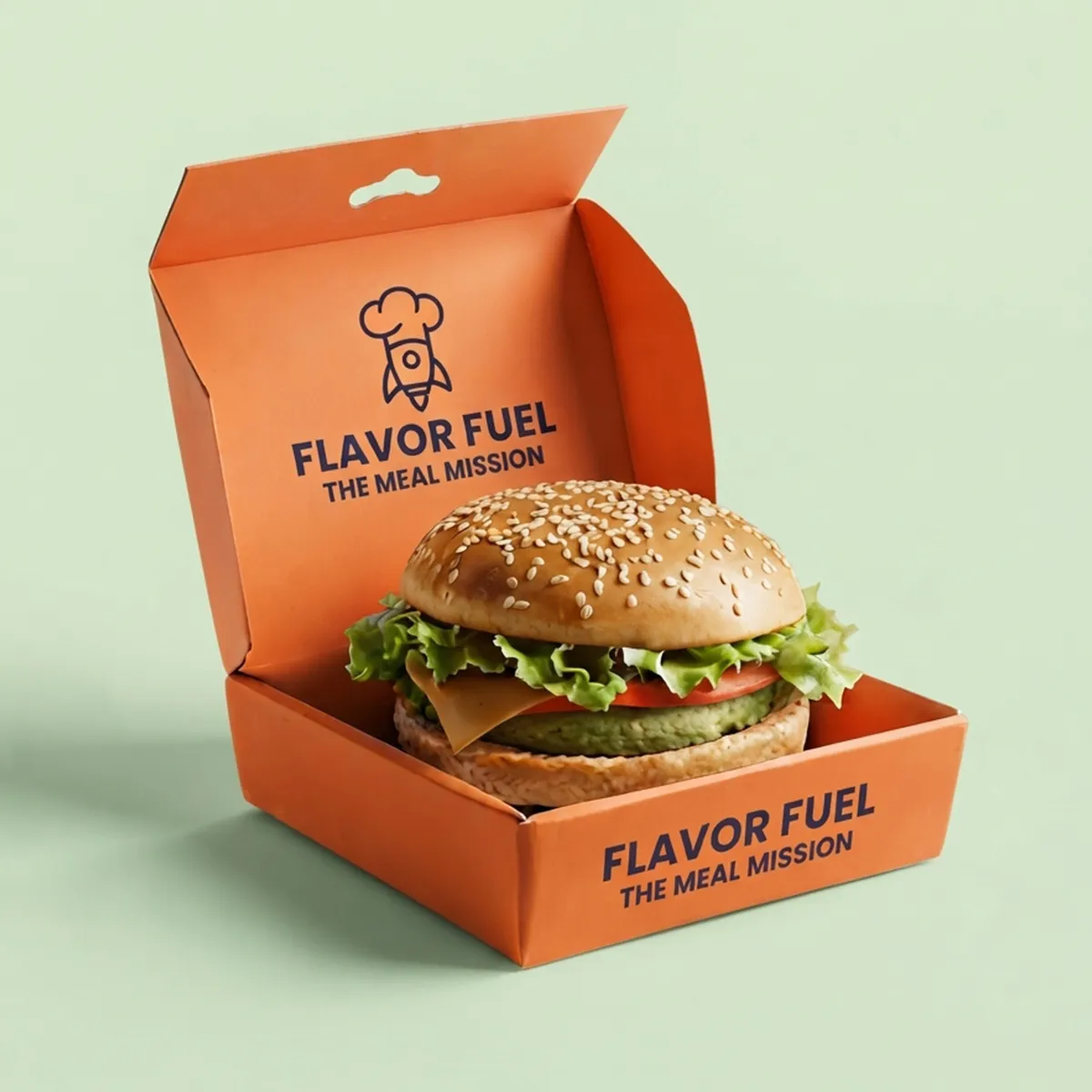
Get custom fast food boxes designed for burgers, fries, sandwiches, wraps, fried foods, and takeaway meals. Customize sizes, materials, box styles, compartments, printing, and logo branding to create practical packaging for restaurants, takeaways, and food brands.
Get Custom Quote
Get Custom Quote
Starting
from
$0.85 per box
Availability In Stock
Add to Cart
Premium Print Quality Sharp, professional results
Eco-Friendly Options Sustainable materials available
Free Design Support Packaging experts ready to help
Free Shipping Delivered without extra cost
Made to Your Specs Custom sizes, styles & finishes

Custom Fast Food Packaging for Restaurants, Takeaways and Food Brands

Custom fast food boxes are designed around the food being packed, its portion size, temperature, grease and moisture levels, and how it will be served or transported. Packaging Hype creates custom packaging for burgers, fries, sandwiches, wraps, fried foods, chicken, pizza slices, snacks, and takeaway meals. The right packaging should combine containment, structural strength, practical handling, and presentation while meeting the specific needs of the food inside.

Fast Food Packaging Designed Around the Food

Different fast foods create different packaging challenges. A burger needs different space and ventilation considerations from fries, while fried chicken can expose packaging to considerably more grease than a dry snack. Important factors include: Food Type: The structure should suit the food’s shape, weight, and characteristics. Portion Size: Packaging dimensions should match the actual serving, not a generic box size. Grease Exposure: Foods containing oils or fats may require packaging materials or barriers suitable for grease contact. Moisture and Steam: Hot foods can release moisture inside closed packaging, affecting both the food and carton. Ventilation: Certain foods may benefit from appropriately positioned vents to help manage trapped steam. Handling: The structure should remain practical when carried, stacked, served, or transported. Delivery Requirements: Food intended for delivery can require different structural considerations from food served immediately at a counter.

Custom Burger Boxes

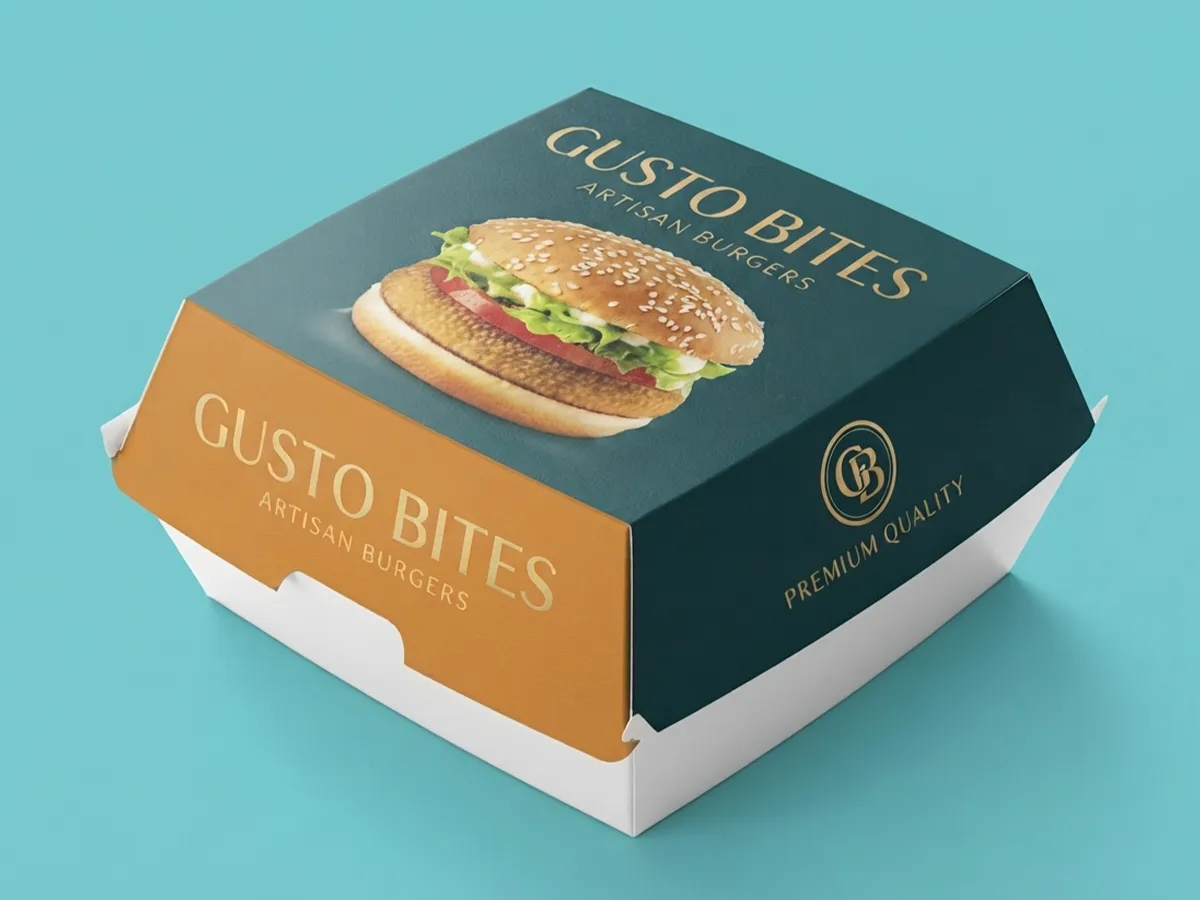
Burger boxes should be sized around the complete burger, including its bun diameter, overall height, fillings, and portion size. The carton should provide enough internal space to avoid unnecessarily compressing the burger while limiting excessive movement during handling. Clamshell and folding carton structures are commonly suitable for individual burgers because they provide convenient opening and closing while keeping the food contained. For tall or heavily filled burgers, base box height on the finished product rather than a standard burger dimension.

Custom French Fry Boxes

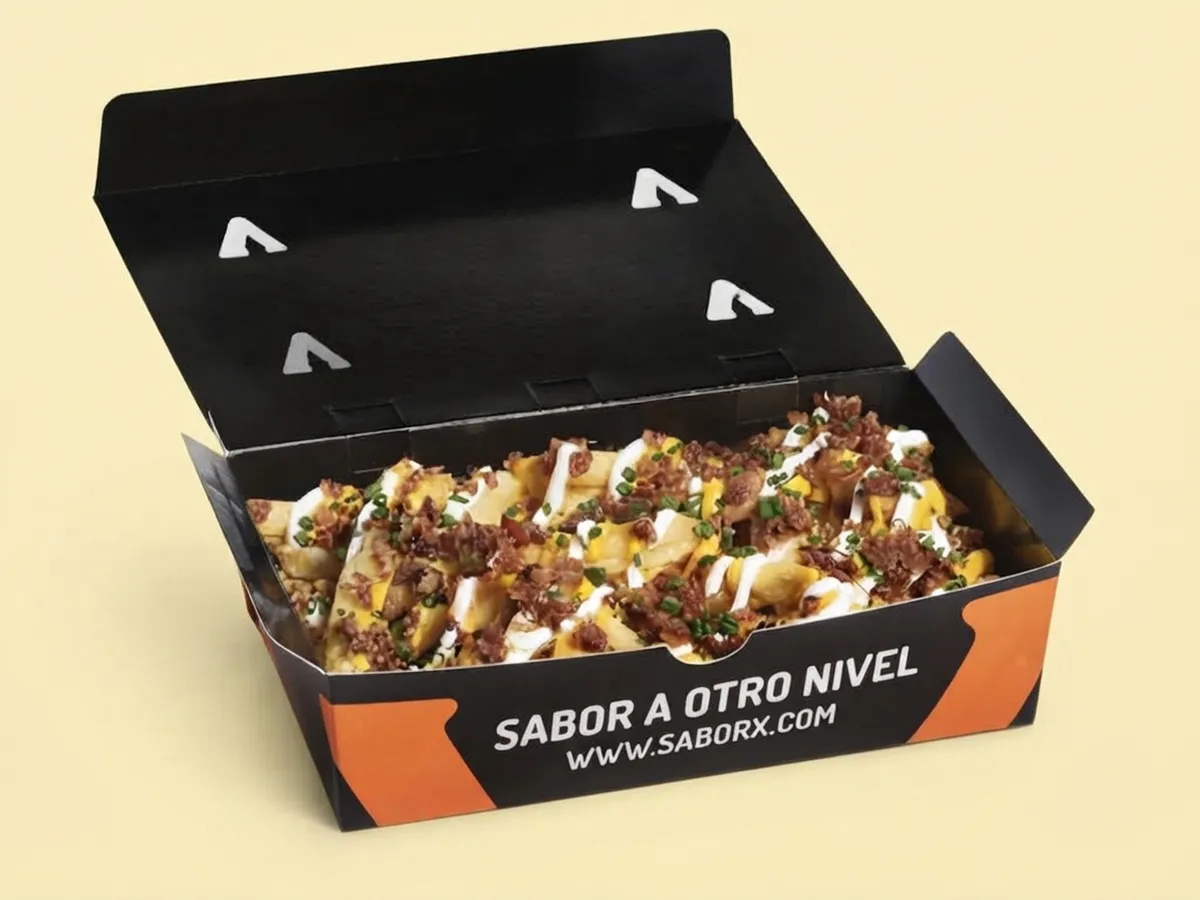
French fry packaging requires easy access while helping contain the portion during serving and takeaway. Open-top fry cartons, scoops, and other purpose-designed structures can be sized for small, medium, large, or custom serving portions. Because freshly cooked fries release heat and moisture, the package design should consider airflow and avoid unnecessarily trapping steam where it could affect food quality. Material selection should also account for direct exposure to oil and grease.

Boxes for Fried Chicken and Fried Foods

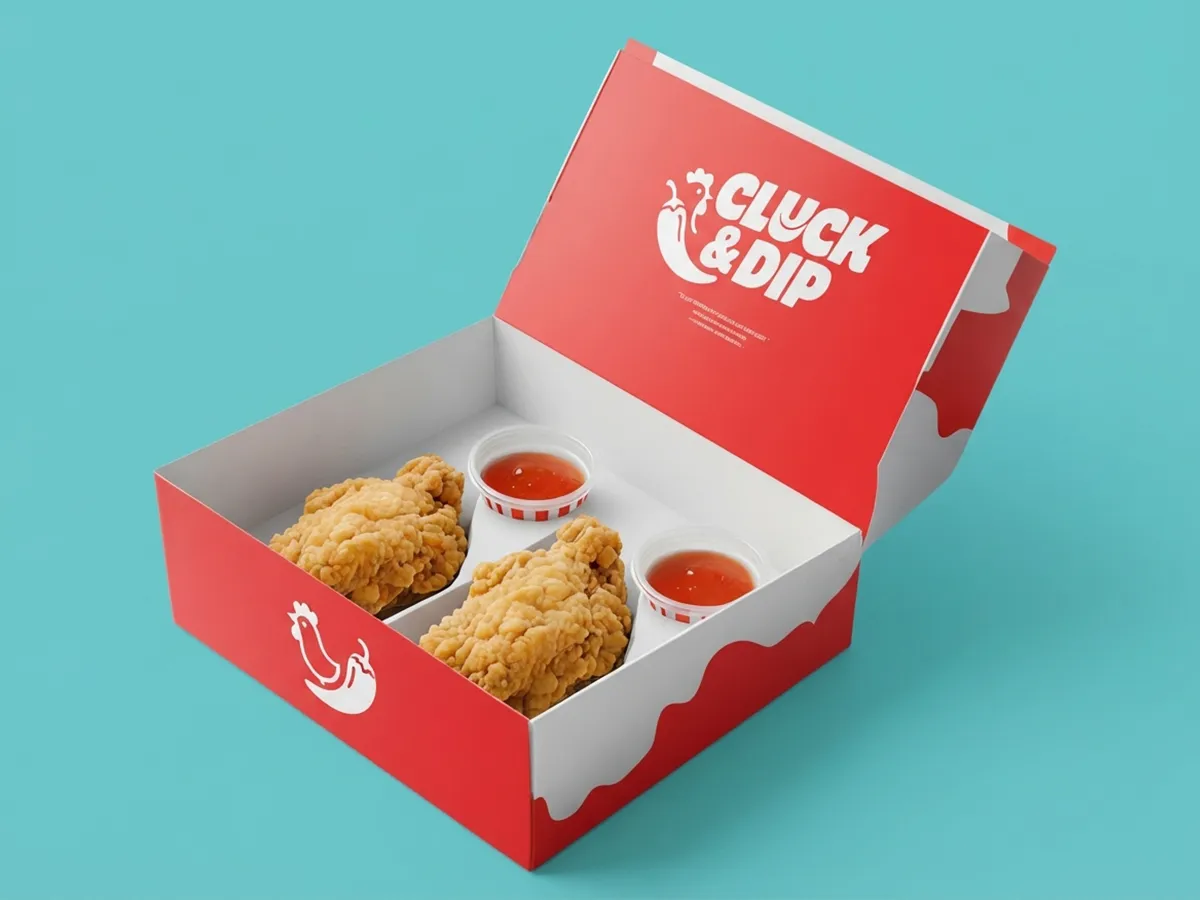
Fried chicken, wings, nuggets, and similar foods can place greater demands on packaging because of their weight, grease, heat, and moisture. The carton needs sufficient structural strength for the intended portion, and the selected material and any food-contact barrier should suit the product. Consider ventilation for hot fried foods. The number, size, and location of vents should depend on the food, box structure, holding time, and intended use rather than following one standard pattern for every product.

Sandwich and Wrap Packaging

Sandwiches and wraps can be packaged in folding cartons, sleeves, trays, or other structures depending on their shape and serving method. Packaging should account for the complete dimensions of the prepared food, particularly when sandwiches contain multiple layers or wraps have larger folded ends. Where visibility matters, you can incorporate a suitable window into certain structures, provided the materials and construction remain appropriate for the intended food packaging application.

Takeaway Meal Boxes

Takeaway meals can include combinations of proteins, fries, sides, sauces, or other foods in one package. A single compartment may work for foods that can be packed together, while dividers or multiple compartments can help separate different items when necessary. The box size should correspond with the actual meal portion. Oversized packaging can allow unnecessary movement, while an undersized carton can compress food or make it hard to close.

Managing Grease and Moisture in Fast Food Boxes

Grease resistance and moisture management are important considerations for many fast food applications. Paperboard alone does not automatically provide the same resistance to oils, sauces, and moisture in every application. Material selection and suitable food contact barriers should therefore be based on the food being packed and expected exposure conditions. For hot foods, steam can accumulate inside a closed carton. Appropriate box geometry and ventilation can help manage this, but ventilation requirements should be determined according to the specific food and expected holding or delivery conditions.

Materials for Fast Food Boxes

The appropriate material depends on food type, weight, grease exposure, temperature, structure, printing requirements, and intended use. Paperboard: Suitable for many folding food cartons, burger boxes, fry packaging, sandwich boxes, and lightweight takeaway applications when specified appropriately for the intended food contact. Kraft Paperboard: Can provide a natural paper appearance and can be used for suitable takeaway and fast food packaging applications. Corrugated Material: Provides greater structural strength and can be considered for larger portions, heavier meals, multi-item packs, and applications requiring a more substantial structure. Food Contact Barriers: Depending on the food and material, you may need an appropriate barrier to improve resistance to grease or moisture. Material selection should not be based on appearance alone. Also consider the intended food contact conditions and packaging performance requirements.

Fast Food Box Styles

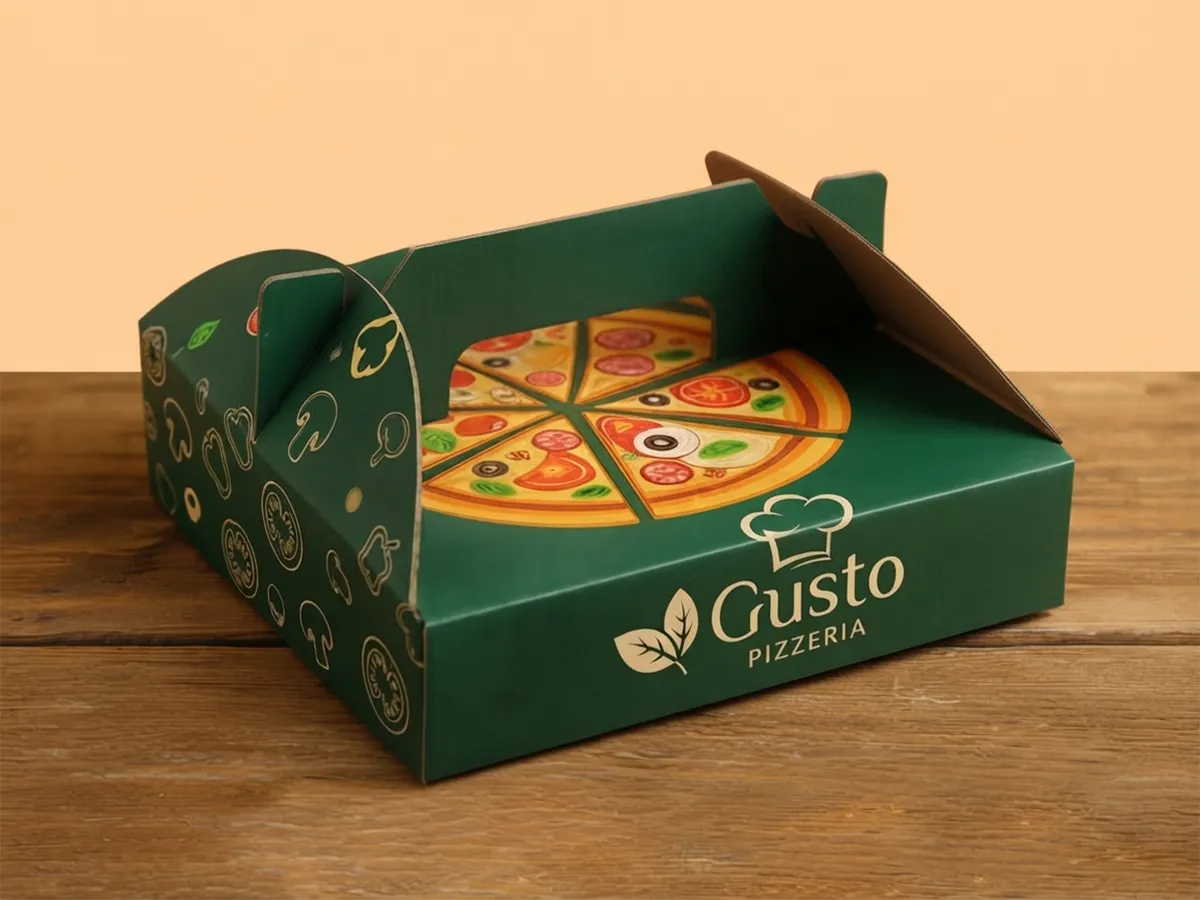
Different food products can use different packaging structures. Clamshell Boxes: Suitable for burgers, sandwiches, and various takeaway foods where convenient opening and closing are important. Fry Cartons: Designed to serve and carry individual portions of fries and similar snacks. Tuck Top Boxes: Provide a closable structure suitable for a range of takeaway foods. Auto Lock Bottom Boxes: Provide additional base support where food weight and carton design require a stronger bottom structure. Food Trays: Suitable for foods intended for immediate serving or when you prefer an open-top presentation. Sleeves: Can be used around certain sandwiches, wraps, trays, or other food products where partial coverage is appropriate. Compartment Boxes: Useful when different food items need to remain separated within the same package. Choose the structure based on the food, not just its appearance.

Does Every Fast Food Box Need Ventilation?

No. Ventilation requirements depend on the food and how the package will be used. Hot fried foods and freshly prepared meals can release steam, so controlled ventilation may help reduce moisture accumulation inside certain packages. Other foods may require greater enclosure or may not benefit from additional vents. Ventilation should therefore be considered alongside food temperature, moisture generation, holding time, delivery time, and box structure.

How to Choose the Right Fast Food Box

Start with the food and serving conditions before selecting printing or decorative features. A burger may require a fitted clamshell structure. Fries may need an open-top carton that provides easy access. Fried chicken can require stronger packaging with greater attention to grease and ventilation. A takeaway meal containing multiple items may benefit from compartments or dividers. The selection should consider the food type, portion dimensions, weight, temperature, grease level, moisture, serving method, delivery conditions, material, and box structure.

How to Determine the Right Fast Food Box Size

Size fast food packaging around the prepared serving, not the uncooked ingredients or a generic industry size. Measure the maximum length, width, and height of the food or complete portion in the form in which it will actually be packed. For meals with several items, consider the space each component needs and whether it should be packed together or separated. The final dimensions should provide enough room for practical packing and closing without creating excessive space.

One Fast Food Box Does Not Fit Every Meal

A burger, portion of fries, fried chicken meal, sandwich, wrap, and combination meal do not have identical packaging requirements. The right fast food box should balance food fit, grease and moisture management, structural support, handling, ventilation where required, and serving or delivery conditions based on the actual food being packed.

Complete Customization for Fast Food Boxes

Once you select the right size, material, and box structure, you can customize fast food packaging to match the restaurant, brand, menu, and serving experience. Packaging Hype offers customization for printing, logos, colors, box dimensions, structural styles, windows, compartments, and suitable finishing options. You can develop custom packaging for individual menu items or coordinated ranges for burgers, fries, sandwiches, wraps, fried foods, and takeaway meals.

Custom Printing and Logo Branding

Printed fast food boxes provide space for both branding and useful customer information. Artwork can be adapted to the available panels of the selected box structure. Customization can include: CMYK Printing: Suitable for full-color logos, illustrations, patterns, photographs, and detailed artwork. Pantone Colors: Useful when you need specific spot colors for brand identity. Logo Printing: Restaurant or food brand logos can be positioned on suitable exterior panels. Custom Graphics: Incorporate illustrations, patterns, product graphics, and campaign-specific artwork into the packaging. Inside Printing: Selected structures can also include printed messages, patterns, or branding on suitable interior areas when appropriate for the packaging application. Printing specifications should be developed around the selected packaging material and intended food use.

Branded Packaging for Different Menu Items

Restaurants and fast food businesses often need several packaging formats while maintaining one recognizable visual identity. A coordinated packaging range can use consistent logos, typography, colors, patterns, and brand elements across different structures for burgers, fries, sandwiches, wraps, chicken, snacks, and complete meals. Individual packages can still be differentiated using product names, portion identifiers, printed colors, or other menu-specific artwork. This lets different box structures stay visually connected to the same brand.

Finishing Options for Fast Food Packaging

Select finishing choices for food packaging based on the material, printing requirements, intended food contact, and overall package design. Depending on the application, suitable options can include: Matte Appearance: Creates a lower sheen presentation for printed packaging. Gloss Appearance: Provides a more reflective printed surface where appropriate. Spot UV: Can highlight selected exterior design elements when compatible with the packaging specification. Foil Stamping: Can be used on selected exterior branding elements for packaging where this decorative process is appropriate. Embossing: Raises selected logos, lettering, or design elements. Debossing: Presses selected design details into the packaging surface. Do not select decorative finishes solely for appearance. Consider their suitability alongside the packaging material, food contact areas, temperature, grease exposure, and intended use.

Custom Window Fast Food Boxes

Windows can be incorporated into certain fast food packaging structures when product visibility is important. They may suit selected sandwiches, bakery-style snacks, prepared foods, or other items where showing the product supports presentation. Window dimensions and positioning should be developed around the box structure so important folds, locking areas, and structural panels are not unnecessarily weakened. The window material and complete packaging specification should also suit the intended food application.

Compartments and Dividers for Takeaway Meals

A takeaway meal containing multiple foods may benefit from internal separation. Depending on the structure, packaging can incorporate: Dividers: Help separate different foods inside a larger carton. Multiple Compartments: Provide defined areas for different components of a meal. Fitted Sections: Can help organize specific food combinations within the package. Separate Internal Packs: Consider when certain items should not directly contact each other. Separation is especially useful when foods have different textures, moisture levels, or serving requirements.

Packaging for Burgers, Fries and Meal Combos

Fast food businesses often sell multiple products as one meal. Custom packaging can be designed around individual items or a complete combination. For example, a meal may include a burger, fries, side item, and sauce. Depending on the serving and delivery method, these products may use separate branded packages or a larger structure designed to organize multiple items. The packaging configuration should consider food temperature, portion size, movement, grease, moisture, and the time between preparation and consumption.

Fast Food Packaging for Takeaway and Delivery

Packaging used for immediate counter service can have different requirements from packaging used for delivery. For takeaway and delivery, consider the package as part of the complete food handling system. Individual food boxes may then be placed inside suitable outer bags, carriers, or delivery packaging. Hot foods can keep releasing heat and moisture after packing, and movement during transport can affect how food sits inside the carton. Box structure, closure, ventilation where appropriate, and outer delivery packaging should therefore be considered together.

Information That Can Be Printed on Fast Food Boxes

Fast food packaging can provide useful space for branding and customer information. Depending on the available space and intended use, printed content can include:
  • Restaurant or Brand Name
  • Logo and Brand Message
  • Product or Menu Item Name
  • Handling or Serving Instructions
  • Ingredient or Allergen Information Where Applicable
  • QR Codes
  • Website or Social Media Information
  • Promotional Messages
  • Recycling or Disposal Information Where Applicable
  • Order Identification Areas
The exact information required on food packaging can depend on the product, sales method, and applicable regulations. Review final artwork against relevant food packaging and labeling requirements before production.

QR Codes on Custom Fast Food Boxes

QR codes can connect physical packaging with digital information without overcrowding the box design. A QR code can direct customers to a digital menu, ordering page, restaurant website, loyalty program, product information, or other relevant online destination. Position the code with enough clear space and contrast so it remains easy to scan after printing and box assembly.

What to Provide for Custom Fast Food Packaging

Accurate information about the food and its intended use helps determine the appropriate packaging specification. Provide details about the food type, prepared portion dimensions, approximate packed weight, serving temperature, grease and moisture exposure, required quantity, preferred box style, artwork, printing requirements, and delivery or takeaway use. If you need compartments, windows, ventilation, or another structural feature, consider it during packaging development rather than adding it after the final structure is set.

Frequently Asked Questions

Here are some common question about our company

  • Can Fast Food Boxes Be Made in Custom Sizes?

    Yes. Box dimensions can be developed around the actual portion size, food dimensions, weight, and selected packaging structure.

  • Can I Print My Restaurant Logo on Fast Food Boxes?

    Yes. Logos, brand colors, patterns, product names, QR codes, and other artwork can be incorporated into the packaging design.

  • Can You Make Custom Burger and French Fry Boxes?

    Yes. We can develop packaging specifically for burgers, fries, and other fast food products based on portion sizes and packaging requirements.

  • Can Fast Food Boxes Be Used for Fried Foods?

    Yes, provided the material, structure, and food-contact specifications suit the particular fried food and its expected grease, heat, and moisture exposure.

Related Products
Search