Call Us Toll Free
/
/
Custom Chocolate Boxes

Custom Chocolate Boxes

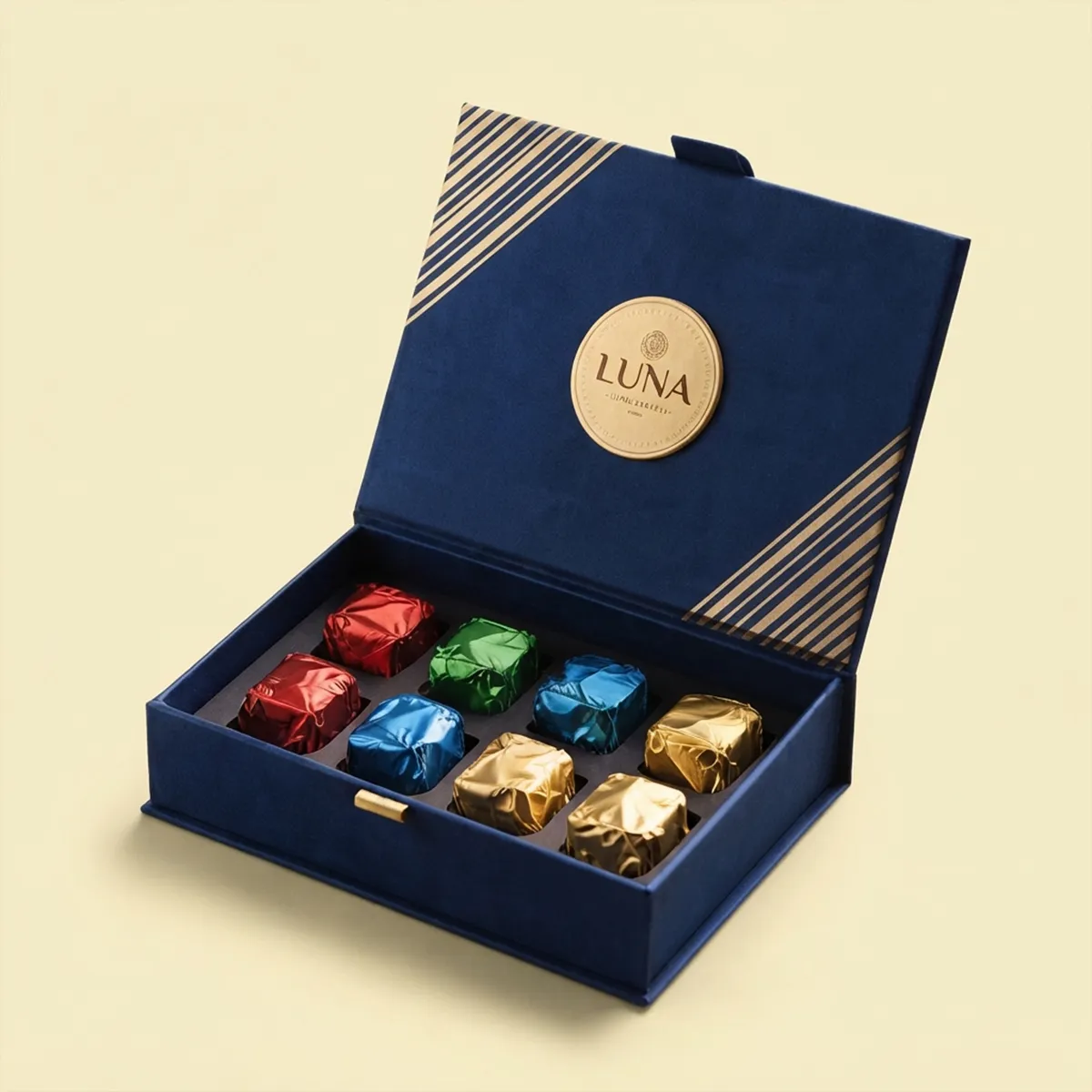
Get custom chocolate boxes designed for bars, truffles, pralines, bonbons, and assorted gift collections. Customize sizes, materials, trays, inserts, box styles, printing, logos, and premium finishes for retail, gifting, and branded chocolate packaging.
Get Custom Quote
Get Custom Quote
Starting
from
Contact per box
Availability In Stock
Add to Cart
Premium Print Quality Sharp, professional results
Eco-Friendly Options Sustainable materials available
Free Design Support Packaging experts ready to help
Free Shipping Delivered without extra cost
Made to Your Specs Custom sizes, styles & finishes

Chocolate Packaging Designed for Bars, Truffles and Gift Collections

Custom chocolate boxes are designed around the actual chocolate product, including its size, shape, quantity, weight, presentation, and storage requirements. Packaging Hype creates custom packaging for chocolate bars, truffles, pralines, bonbons, individual chocolates, assorted collections, and chocolate gift sets. Chocolate packaging should do more than look attractive. The structure should account for food contact, product movement, separation between pieces, temperature sensitivity, handling, retail display, and transportation.

Chocolate Packaging Designed Around the Product and Presentation

Chocolate products vary considerably in shape and packaging requirements. A single chocolate bar doesn’t require the same structure as a collection of delicate truffles or an assorted gift box with multiple pieces. Important considerations include: Chocolate Type: Bars, truffles, pralines, bonbons, and assorted chocolates can require different packaging structures. Product Dimensions: The internal box size should correspond with the dimensions of the actual chocolate or its primary wrapping. Quantity: Packaging can be developed for a single product or multiple chocolates arranged within one box. Product Separation: Individual pieces may require cavities, trays, dividers, or other separation methods. Food Contact: Materials intended to contact chocolate directly should be suitable for the intended food application. Temperature: Chocolate is sensitive to heat, so packaging should account for appropriate storage and transportation conditions. Presentation: Retail products, gift collections, and ecommerce orders can require different structural and presentation features.

Custom Chocolate Bar Boxes

Develop chocolate bar packaging around the length, width, thickness, and primary wrapping of the finished bar. A folding carton or sleeve can add a branded layer around an individually wrapped chocolate bar while creating space for product information and visual branding. The carton should fit the wrapped bar without excessive movement or unnecessary compression. For collections containing several bars, the structure should account for the combined dimensions and weight of all products.

Boxes for Truffles, Pralines and Bonbons

Truffles, pralines, and bonbons often require greater attention to individual positioning because the pieces can differ in shape, size, coating, decoration, and fragility. Packaging can use trays, cavities, dividers, or individual compartments to help keep pieces organized and separated. Design the internal layout around the actual dimensions and number of chocolates. Provide enough clearance to avoid unnecessary contact with delicate toppings, coatings, or decorative surfaces.

Packaging for Assorted Chocolates

Assorted chocolate boxes can contain multiple flavors, shapes, and sizes within the same package. A custom internal arrangement can help organize different chocolates while creating a consistent presentation when the box is opened. Depending on the collection, individual positions can be created for:
  • Filled Chocolates
  • Truffles
  • Pralines
  • Bonbons
  • Caramels
  • Chocolate Bites
  • Mini Chocolate Bars
When products differ significantly in size, base the internal layout on each piece rather than using identical cavities for the entire collection.

Chocolate Gift Boxes

Chocolate gift packaging often emphasizes presentation while still requiring practical product organization. Gift boxes can be developed for small chocolate selections, assorted collections, seasonal products, corporate gifts, and premium chocolate sets. Depending on the product arrangement, the structure can incorporate trays, dividers, compartments, sleeves, or other internal components. Develop the outer box and internal presentation together so the chocolates stay properly positioned when the package is opened and handled.

Custom Inserts and Trays for Chocolates

Inserts and trays can help organize individual chocolates and reduce unnecessary movement inside the box. Depending on the product, internal packaging can include: Individual Cavities: Provide defined positions for separate chocolate pieces. Dividers: Separate chocolates or product groups within the same box. Fitted Trays: Organize multiple pieces according to a planned arrangement. Layered Trays: Consider for larger collections where chocolates are presented across more than one level. The dimensions of each cavity or compartment should correspond with the actual product. Delicate chocolates should have enough clearance to reduce unnecessary contact with decorative surfaces.

Food Contact Considerations for Chocolate Packaging

The role of the packaging material depends on whether it will directly contact the chocolate or function as secondary packaging around an already wrapped product. Where paper, board, trays, liners, or other components are intended for direct food contact, the selected materials should be suitable for the intended application. For example, an individually wrapped chocolate bar can use an outer printed carton primarily as secondary packaging. Unwrapped chocolates placed directly in a tray require different food-contact considerations. The complete packaging system should therefore be specified according to how the chocolate actually interacts with each packaging component.

Managing Fat and Grease Exposure

Chocolate contains fats that can affect certain paper-based packaging surfaces when in direct contact. Standard untreated paperboard should not be assumed to provide the required resistance for every direct-contact chocolate application. Where necessary, consider suitable food-contact materials, liners, cups, trays, or barrier specifications based on the product and expected contact conditions. Base material selection should be based on the actual application, not on the assumption that thicker paperboard alone provides adequate resistance.

Materials for Chocolate Boxes

Different materials can be used depending on the chocolate format, box structure, presentation requirements, and whether the material directly contacts the food. SBS Paperboard: Provides a smooth printable surface suitable for many folding cartons, sleeves, and secondary chocolate packaging applications. Kraft Paperboard: Can provide a natural paper appearance for suitable chocolate cartons, sleeves, and gift packaging. Corrugated Material: Provides additional structural strength for larger chocolate collections, shipping applications, and secondary packaging. Rigid Board: Suitable for premium chocolate collections and gift boxes requiring a more substantial presentation structure. Food Contact Materials: Specify trays, liners, cups, and other components intended to contact chocolate directly for their intended use. No single material or board thickness suits every chocolate product. The final specification should consider product weight, food contact, structure, presentation, handling, and distribution.

Chocolate Box Styles

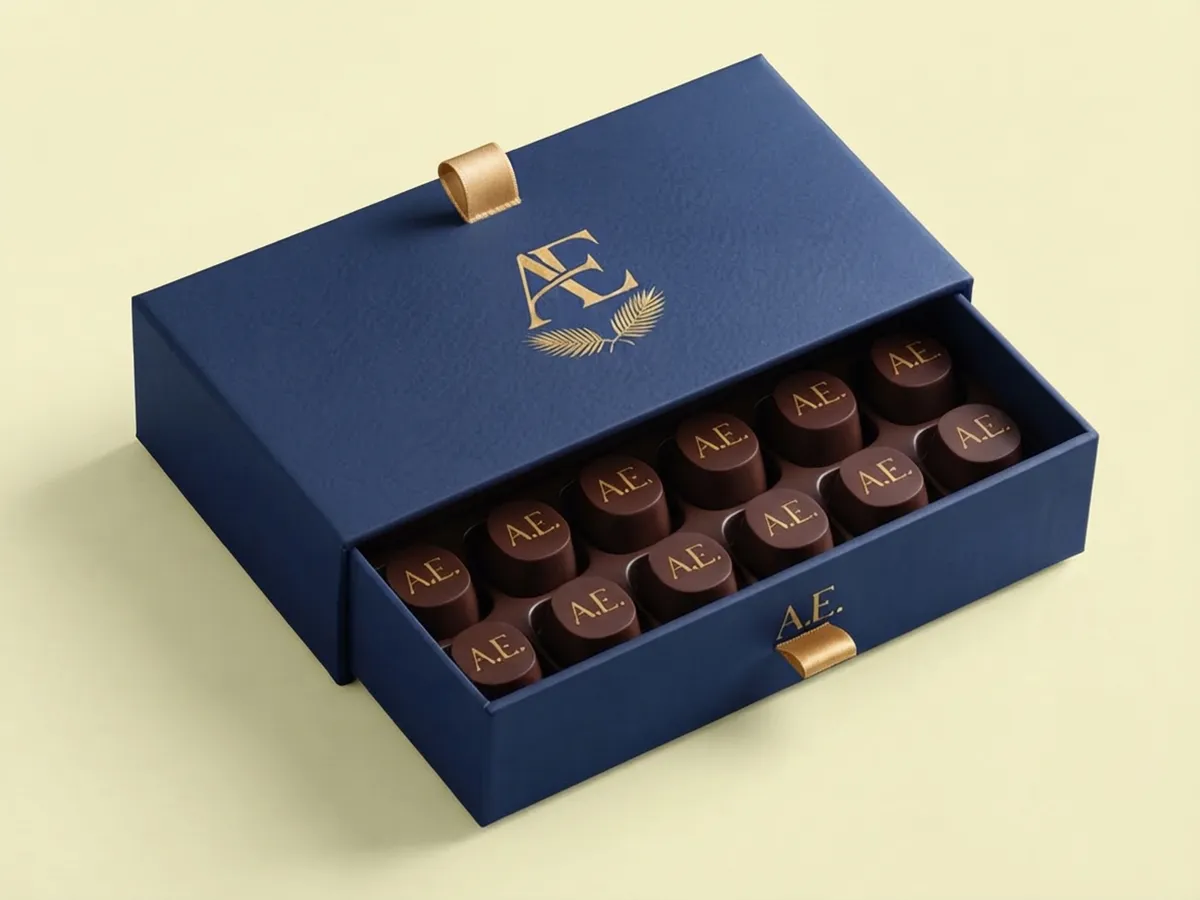
Chocolate packaging can use different structures depending on the product and presentation. Folding Cartons: Suitable for chocolate bars, smaller collections, and individually wrapped products. Sleeve Boxes: Can slide around a tray or wrapped chocolate product while providing additional branding space. Two Piece Boxes: Use a separate lid and base and are commonly suited to chocolate collections and gift presentation. Drawer Boxes: Combine an outer sleeve with a sliding inner tray for organized presentation. Rigid Boxes: Suitable for premium assortments, gift collections, and presentation-focused packaging. Window Boxes: Can display selected chocolates or wrapped products where the structure and food packaging specification allow it. Select the box style based on product dimensions, number of chocolates, internal arrangement, weight, presentation, and intended use.

Does a Chocolate Box Protect Chocolate From Heat?

Standard paperboard or rigid chocolate boxes should not be assumed to provide thermal insulation. Elevated temperatures can affect chocolate quality, and maintaining proper conditions depends on the entire storage, handling, and transportation system. A custom box can provide containment, organization, presentation, and physical protection, but temperature control during warm weather or extended shipping may require additional thermal packaging and appropriate logistics.

How to Choose the Right Chocolate Box

Start with the chocolate product and how you’ll present it. A wrapped chocolate bar may require a simple folding carton or sleeve. Individual truffles can benefit from separate cavities. An assorted collection may require a custom tray with different compartments. A premium gift selection may use a rigid structure with a fitted internal presentation. The selection should consider chocolate type, product dimensions, quantity, weight, food-contact requirements, fragility, internal arrangement, box structure, storage conditions, and distribution method.

How to Determine the Right Chocolate Box Size

Design chocolate box dimensions around the finished products and their intended arrangement. For an individually wrapped chocolate bar, measure the maximum length, width, and thickness of the complete wrapped product. For truffles, pralines, and bonbons, consider the maximum dimensions of each piece as well as any decorative toppings or irregular shapes. For assorted collections, determine the number of chocolates, arrangement, spacing, tray dimensions, and required clearance before establishing the final outer box dimensions. This approach helps create a more accurate fit than selecting a generic box size based only on the number of chocolates.

One Chocolate Box Does Not Fit Every Collection

A chocolate bar, individual truffle, assorted praline collection, and premium gift set have different packaging requirements. The right chocolate packaging should balance product fit, food-contact suitability, separation, structural support, temperature considerations, handling, and presentation based on the chocolates being packed and how they will be stored, transported, displayed, and presented.

Chocolate Packaging Created for Gifting, Retail and Premium Presentation

Chocolate packaging can be customized to combine product organization with a distinctive brand presentation. Packaging Hype offers customization for box sizes, printing, logos, colors, inserts, trays, sleeves, windows, and suitable decorative finishes. Packaging can be developed for individual chocolate products or coordinated collections containing bars, truffles, pralines, bonbons, assorted chocolates, and gift sets.

Custom Printing and Logo Branding

Custom printing provides space to communicate brand identity while differentiating chocolate varieties and collections. Customization can include: CMYK Printing: Suitable for full-color artwork, illustrations, photographs, patterns, and detailed graphics. Pantone Colors: Useful when you need specific spot colors for consistent brand presentation. Logo Printing: Position brand logos on lids, sleeves, side panels, or other suitable packaging surfaces. Custom Artwork: Incorporate patterns, illustrations, product imagery, seasonal graphics, and collection-specific designs into the packaging. Inside Printing: Selected box structures can include printed messages, patterns, or branding on suitable interior surfaces. Select printing specifications based on the material, box structure, artwork, and intended packaging application.

Packaging for Different Chocolate Flavors and Collections

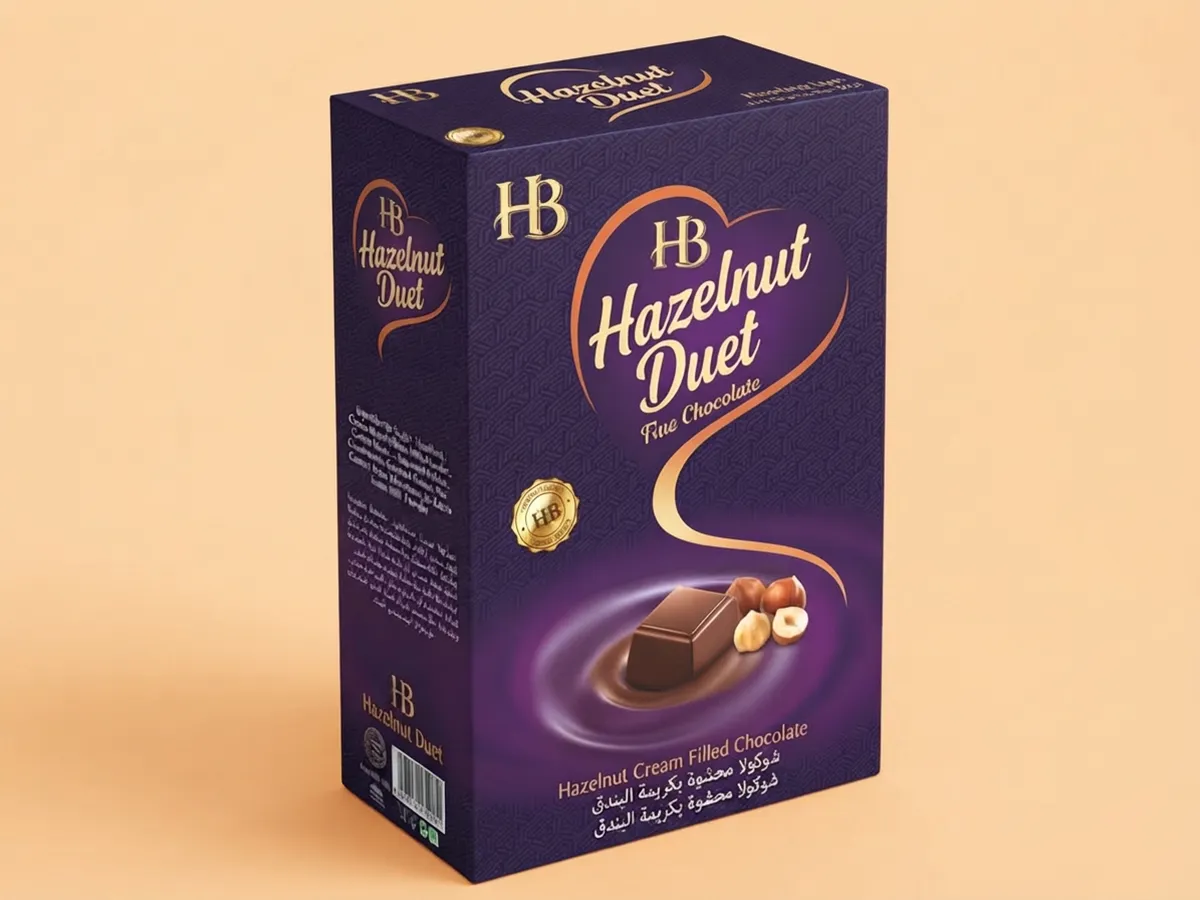
Chocolate brands can maintain a consistent packaging structure while changing artwork to distinguish different flavors, fillings, collections, or product ranges. Individual variants can be identified using: Flavor Names: Clearly identify varieties such as dark chocolate, milk chocolate, caramel, hazelnut, fruit, or other flavors. Color-Coded Designs: Use different colors to distinguish products within the same collection. Collection-Specific Artwork: Seasonal, premium, assorted, or limited collections can use dedicated visual designs. Product Codes and Barcodes: Individual products can carry separate SKUs and retail identification. Assortment Guides: Boxes containing several chocolates can include information that helps customers identify individual pieces and flavors. This approach keeps multiple products visually connected to the same brand while making individual varieties easier to distinguish.

Premium Finishes for Chocolate Boxes

Chocolate packaging can incorporate decorative finishes compatible with the selected material and packaging application. Options can include: Matte Finish: Creates a lower sheen surface for a refined printed appearance. Gloss Finish: Provides a more reflective surface that can enhance selected colors and graphics. Soft Touch Finish: Can create a smooth tactile exterior on suitable packaging structures. Foil Stamping: Adds metallic or decorative foil to logos, lettering, borders, and selected design elements. Embossing: Raises logos, typography, or patterns from the surrounding surface. Debossing: Creates recessed design details within the packaging surface. Spot UV: Adds selective gloss to particular exterior graphics, logos, or patterns. Select decorative finishes based on the packaging material and intended use, especially for food-contact areas.

Custom Window Chocolate Boxes

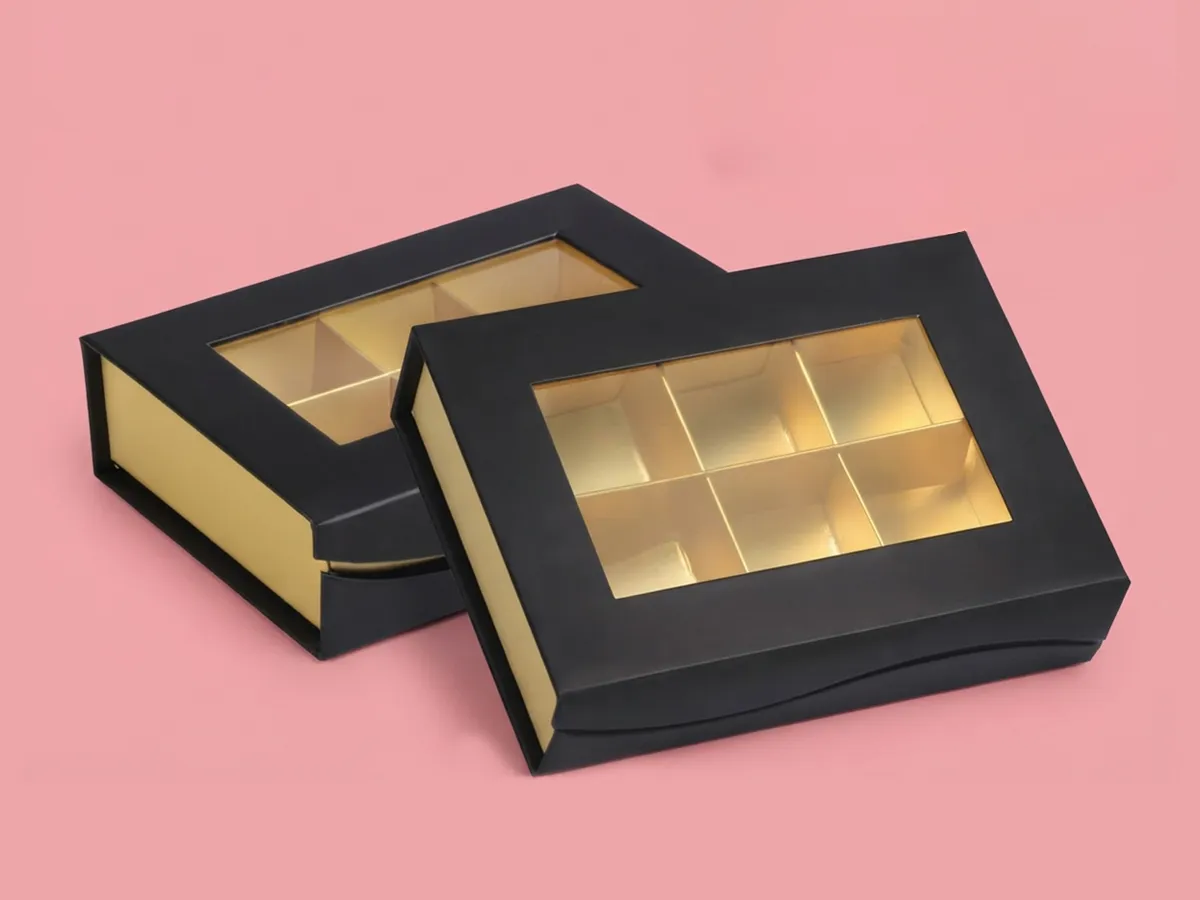
A window lets customers see selected chocolates or the internal arrangement without opening the box. Consider window packaging for assorted chocolates, truffles, pralines, chocolate bars, and gift collections where product visibility supports presentation. Window size, shape, and position should be developed around the box structure and internal tray so important folds, edges, and structural areas remain functional. When using transparent window film, its specification should suit the intended packaging application.

Custom Trays and Inserts for Chocolate Collections

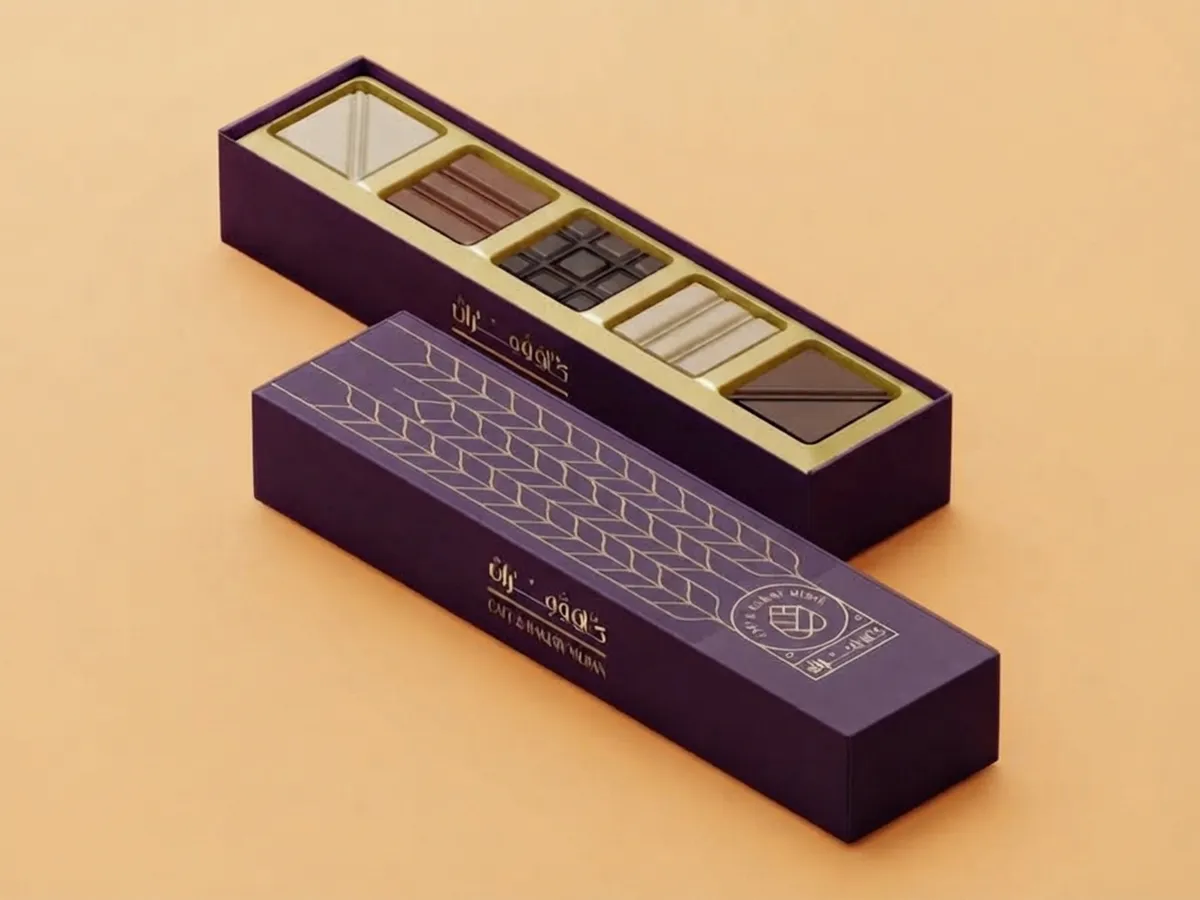
The internal presentation is especially important when multiple chocolates are packed in one box. Custom trays and inserts can create dedicated positions for individual products while keeping the arrangement organized. Configurations can include: Individual Cavities: Provide separate positions for truffles, pralines, bonbons, and similar pieces. Custom Dividers: Separate different chocolates or sections within a collection. Fitted Trays: Arrange products according to a planned layout. Multiple Layers: Allow larger collections to use more than one organized level, with the structure designed accordingly. Compartments: Can accommodate chocolates of different shapes or sizes within the same box. The internal structure should be developed around the actual chocolates rather than forcing different products into a standard cavity size.

Custom Chocolate Gift Boxes

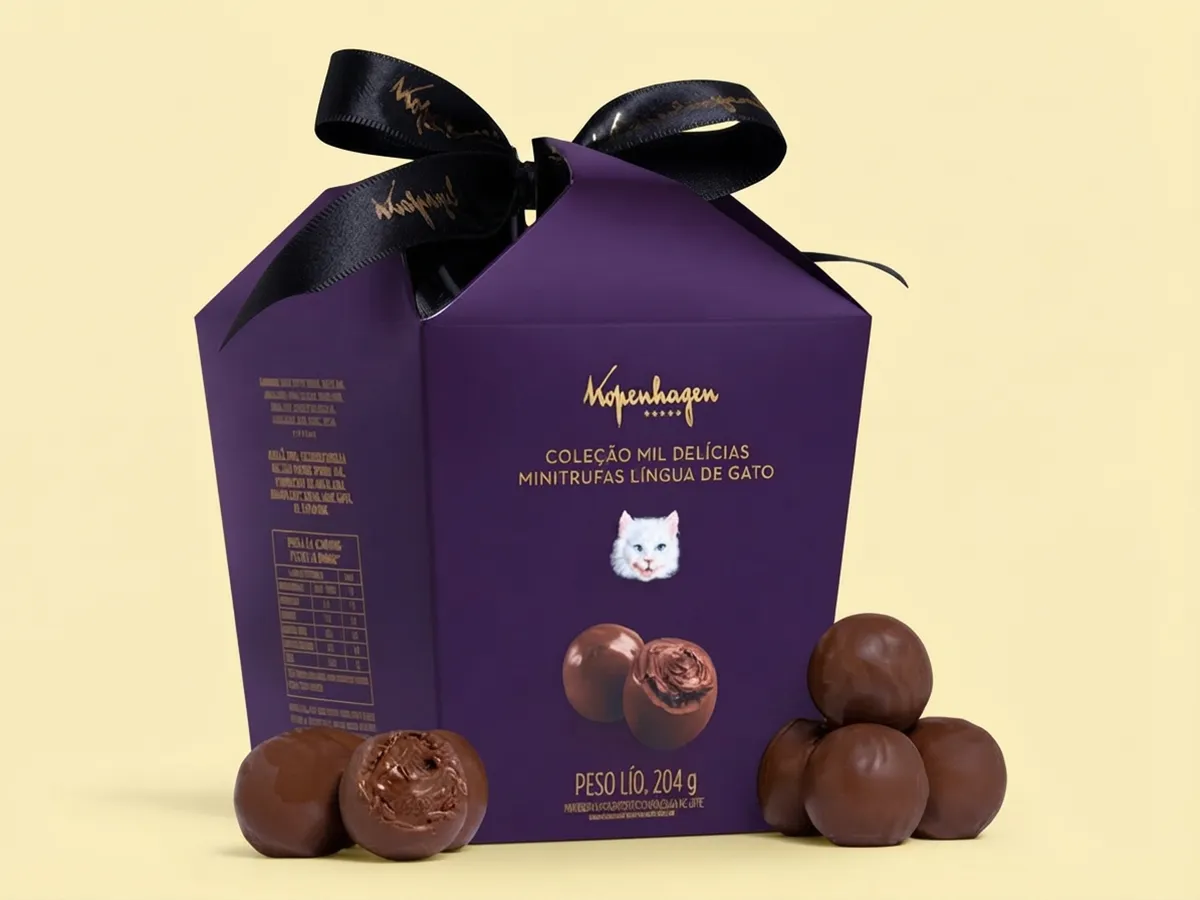
Gift packaging can be developed for occasions where presentation is an important part of the product experience. Custom chocolate gift boxes can be designed for birthdays, weddings, celebrations, seasonal collections, corporate gifting, promotional gifts, and premium product ranges. Depending on the required presentation, gift packaging can combine rigid boxes, two-piece structures, drawer styles, sleeves, custom trays, and decorative exterior details. The structure should still account for the number, dimensions, weight, and arrangement of the chocolates rather than focusing on appearance alone.

Sleeves and Decorative Packaging Elements

Custom sleeves can add branding to chocolate bars, trays, or complete boxes without requiring the entire structural package to use the same printed design. Sleeves can carry:
  • Brand Logos
  • Product Names
  • Flavor Information
  • Seasonal Artwork
  • Gift Messages
  • Collection Names
Where appropriate for the packaging design, you can also incorporate other decorative elements into presentation-focused chocolate boxes. Consider their suitability alongside handling, storage, food contact, and distribution requirements.

Chocolate Packaging for Retail Display

Retail chocolate packaging needs to communicate the product clearly while remaining practical for display and customer handling. Packaging can provide space for the brand name, chocolate type, flavor, quantity, product imagery, barcode, and applicable labeling information. The front and primary display panels should make the product easy to identify, while secondary panels can carry additional product and business information. For collections containing multiple varieties, the packaging can also include an assortment guide explaining the chocolates inside.

Chocolate Packaging for Ecommerce and Shipping

A decorative chocolate box should not automatically be considered sufficient shipping protection. For ecommerce orders, you may need to place the product box in suitable outer shipping packaging to protect it from impact, compression, and movement during parcel handling. Chocolate is also temperature sensitive. If shipping conditions could expose the product to damaging temperatures, you may need appropriate temperature control and insulated shipping solutions in addition to the branded product box. The complete packaging system can therefore include the chocolate or primary wrapping, custom product box, protective shipping packaging, and temperature control where required.

Information That Can Be Printed on Chocolate Boxes

Chocolate packaging can provide space for branding and applicable product information, including:
  • Brand and Product Name
  • Chocolate Type or Flavor
  • Net Quantity
  • Ingredient Information
  • Allergen Information Where Applicable
  • Nutrition Information Where Required
  • Storage Instructions
  • Barcode and SKU
  • Batch or Lot Information
  • Best Before Information Where Applicable
  • Business Information
  • QR Code
  • Recycling or Disposal Information Where Applicable
The exact information required depends on the chocolate product, market, sales method, and applicable food labeling regulations. Review final packaging artwork against the relevant requirements before production.

What to Provide for Custom Chocolate Packaging

Accurate product information helps determine the correct structure, internal arrangement, and customization. Provide the chocolate type, dimensions, number of pieces, approximate packed weight, food contact requirements, preferred arrangement, required quantity, box style, artwork, printing requirements, and desired finishes. For truffles, pralines, bonbons, and assorted collections, provide the dimensions and quantity of each chocolate if you need custom cavities or compartments. For chocolate bars, take dimensions from the fully wrapped product when the custom carton will function as secondary packaging.

Frequently Asked Questions

Here are some common question about our company

  • Can Chocolate Boxes Be Made in Custom Sizes?

    Yes. Box dimensions can be developed around the actual chocolates, their primary wrapping, quantity, arrangement, and internal tray requirements.

  • Can I Print My Logo on Chocolate Boxes?

    Yes. Logos, brand colors, graphics, patterns, product names, and other artwork can be incorporated into suitable exterior and interior packaging surfaces.

  • Can You Make Boxes for Truffles and Pralines?

    Yes. Custom boxes can be developed with individual cavities, trays, dividers, or compartments according to the dimensions and arrangement of the chocolates.

  • Can One Box Hold Different Types of Chocolates?

    Yes. Assorted chocolate boxes can contain products of different shapes, sizes, flavors, and fillings. The internal layout can be developed around the individual pieces.

  • Can Chocolate Boxes Have Custom Windows?

    Yes. Suitable box structures can incorporate windows to display chocolates or their internal arrangement without opening the package.

Related Products
Search